The Jewish and Greco-Roman beginnings of Christian Spirituality
Christianity was born and grew out of Judaism existing under the conquest of the Greco-Roman empire. This heavily influenced the spirituality of the early church, and the purpose of this lecture is to learn about and discuss some of the ways how. After participating, I hope that you will:
- Consider the history of Judiasm and the influence of Babylonian and Greco-Roman conquest to Jewish society and thought.
- Learn or be refreshed about Jewish and Greco-Roman religious/philosophical beliefs.
Judaic Timeline
-
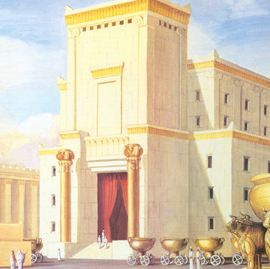
First Temple Judaism
~832 BCE-586 BCE
The First Temple was constructed in Jerusalem by king Solomon. The Temple was considered to be the mostly holy place in the world. God was considered to dwell inside, and non-Jews could not enter. Jews worshipped God at the Temple by reading and expounding upon scripture and performing sacrifices and other rituals.
-
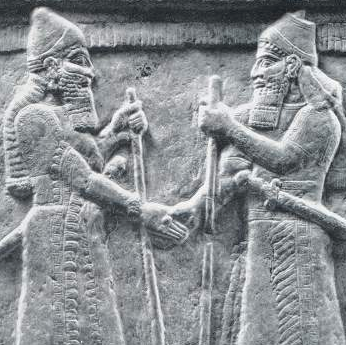
Second Temple Judaism
586 BCE - 70 CE - The Temple Destroyed
The First Temple was destroyed by the Babylonians in 586 BCE. It was rebuilt in 516. During that time Jewish life flourished. 20,000 priests worked in the temple, which was supported by a tax incurred on every male Jew over the age of 20.
-
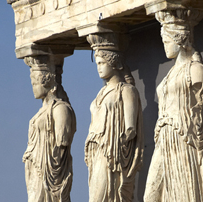
Greco-Roman Conquest
332 BCE
Alexander the great conquered the area, ushering in Greco-Roman influence. For several hundred years prior to the Birth of Jesus, Greek settlers live in Judaea and Galilee. The relationship between Greeks and Jews (and the other cultures the Greeks conquered) was complex. The open borders being under Greek rule encouraged trade. Cultural assimilation found varying degrees of acceptance especially depending on the currently ruling Roman emporer and governors, and was beset by occasional revolt.
-
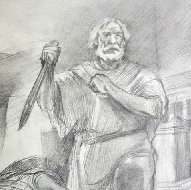
Maccabean Revolt
167 BCE
Jews led by Judas Maccabeus revolted successfully for 25 years against Roman attempts to stamp out their laws and customs.
-
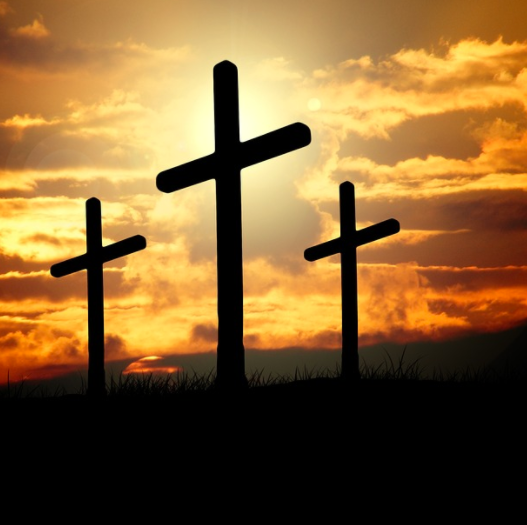
Life of Jesus
~4BCE - 30CE
Jesus Christ lived, beginning his ministry around age 30, was crucified, and as Christians believe, was resurrected 3 days later.
-
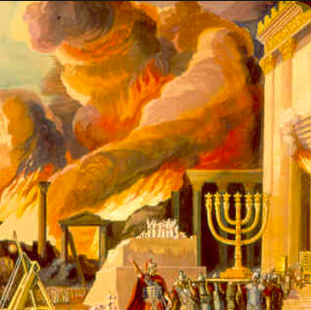
Second Temple Destroyed
70 CE - The Second Temple Destroyed
Jews revolted against the Roman Army and were crushed. They were besieged in Jerusalem for 5 months by 65,000 troops. After the revolt, the Jews survivors were sold into slavery, and the Second Temple was destroyed.
-
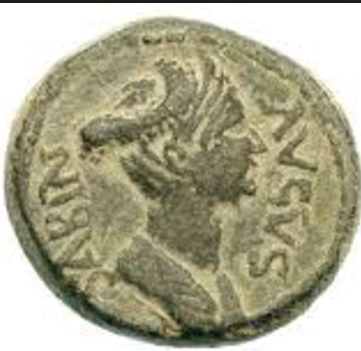
Jerusalem Renamed
132 CE - The bar Kokhba revolt
A Jewish man named Simon bar Kokhba was declared the messiah and led another revolt against the Roman Empire. It was crushed in 3 years. As punishment, Jerusalem was renamed Aelia Capitolina and Jews were forbidden to reside in it.
Jewish and Greco-Roman Religious and Philosophical Beliefs
The religious effects of the Jewish/Greco Roman milieu created during this period was crucial to the development of early Christianity. What follows is a brief review of Greco-Roman and Jewish religious beliefs.
Judaic Belief
- Judaism is considered to be a religion based upon correct practice which focuses heavily on adhering to Jewish Law. This is known as an orthopractic religion.
- It is monotheistic, which means that Jews believe in a single God. It wasn't the only type of monotheism at the time, but was unique in that Jews believe God created the world as a free act of divine will.
- The Temple was an integral part of Jewish life, as many Jewish Laws required actions to be performed at the Temple. So, while Jews were deposed from the Temple, they were unable to completely practice their religion.
- Jews believe that a Messiah would restore the dynasty of king David and bring in a time of justice and peace. There are numerous Jews from the era who claimed to be the Messiah
- In response to the challenges of continued occupation, new types of religious piety emerged in Judaism around the time of Jesus:
- The Veneration of Martyrs: religion had previously not condoned dying for faith. But as Judiasm was under direct and prolonged attack, it began to become a prevalent idea.
- Apocalyptic Expectation: Jews believed that God's intervention in human history was impending.
Greco-Roman Belief
- Greco-Roman religion was polytheistic, meaning that many gods were worshipped. Each area had it's own local gods which were worshipped by offering gifts to them and performing rituals. However, no specific global rules of proper behavior or set of beliefs existed. Citizens were only required to participate in the public offical worship ceremonies. In ways, religion acted as a sort of societal control mechanism.
- In Greco-Roman life, philosophy was important, and was studied by the cultural elite. Philosophy is the study of the nature of truth, knowledge, and morals.
- Notably the development of philosophy espoused by Plato and his successors influenced Christianity, as we shall see.
Food for Thought
- Certain Christian practices and beliefs predated Jesus' life. Considering that the Son/Logos was declared eternal, does that influence our opinion of history prior to and after Jesus Christ's recorded time on earth?
- Consider that Jesus lived in a time when other Jewish Messiah claimants existed. This has continued until the modern day, with their followers often purporting the messiah claimants perform miracles. Having been raised as Christians and recently refreshed on the theology of the Holy Trinity and Incarnation, our perspective is quite different. How might we take into account what would be considered reasonable skepticism?
- We just learned that polytheistic Greco-Roman religion acted as a sort of societal control mechanism. In addition to clear concerns about salvation, the political motivations of Christian bishops and Roman emporors sometimes could be shown to be for the same purpose. Assuming this still occurs today, how can we respond in a Christian manner?
- If there were aspects to the climate surrounding the inception of Christianity you were not aware of, have they influenced your understanding or provoked any questions?
- Please enjoy one of the first Christian hymns which was quoted by St. Paul in 1 Timothy which concerns the nature of Christ.